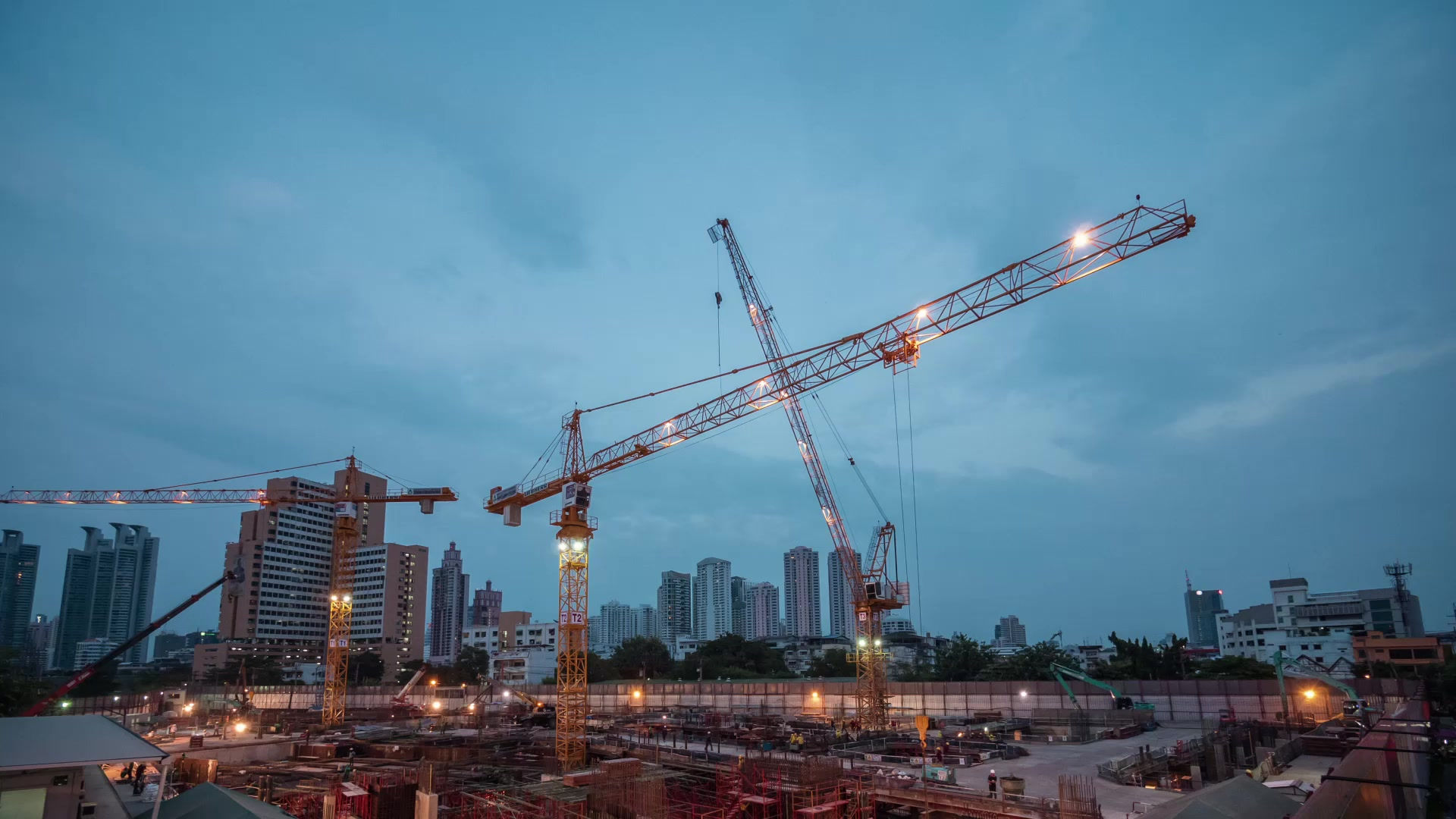


Understanding Loft Conversion Pricing London: A Complete Guide

If you are considering expanding your property in North London, a loft conversion is an excellent way to add valuable living space without moving. However, understanding the costs involved can be challenging. In this post, I will walk you through the key factors that influence loft conversion pricing London, helping you make informed decisions for your project.
What Influences Loft Conversion Pricing London?
Loft conversion pricing London varies widely depending on several factors. Knowing these can help you budget effectively and avoid surprises.
Type of Loft Conversion: There are different types such as dormer, mansard, hip-to-gable, and roof light conversions. Each has its own complexity and cost implications.
Size and Layout: The larger the loft and the more complex the design, the higher the cost.
Structural Work: Some lofts require significant structural changes, including strengthening floors or adding support beams.
Planning Permission and Building Regulations: Obtaining necessary approvals can add to the cost.
Materials and Finishes: The quality of materials and interior finishes you choose will affect the final price.
Labour Costs: Skilled labour in London tends to be more expensive than in other regions.
Access and Site Conditions: Difficult access or tight spaces can increase labour time and costs.
For example, a simple roof light conversion might cost significantly less than a full mansard conversion that changes the roof shape and adds substantial space.
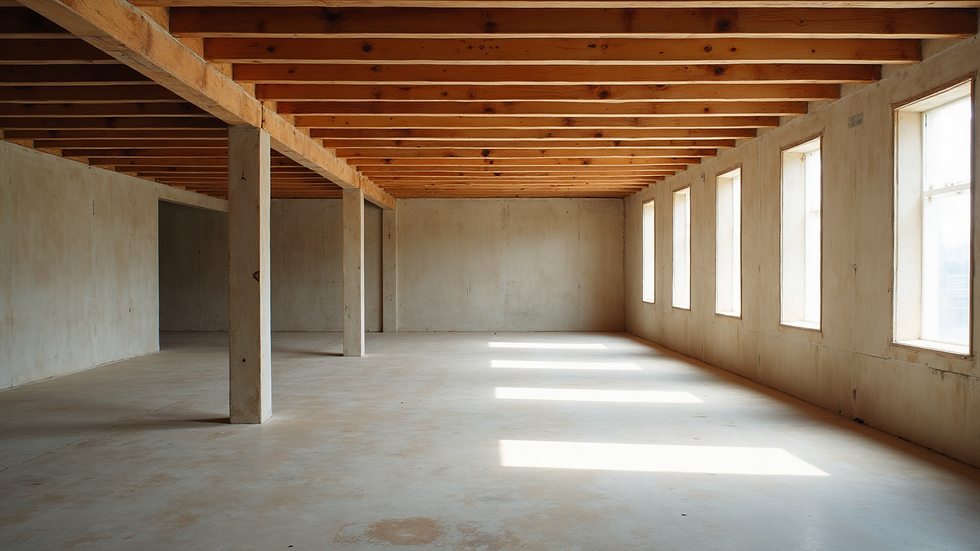
Breaking Down the Cost of a Loft Conversion in London
When planning your loft conversion, it helps to understand the typical cost breakdown. Here’s a rough guide to what you might expect:
Design and Planning Fees
Architects and structural engineers usually charge between £1,000 and £3,000 depending on the complexity of the project.
Planning Permission and Building Control
If required, planning permission can cost around £200 to £500. Building control fees vary but expect around £500 to £1,000.
Construction Costs
This is the largest portion and can range from £30,000 to £60,000 or more. It includes:
Structural work
Insulation and roofing
Windows and skylights
Staircase installation
Electrical and plumbing work
Heating and ventilation
Internal finishes like plastering, flooring, and decorating
Additional Costs
These might include VAT, contingency funds for unexpected issues, and fees for party wall agreements if your property shares walls with neighbours.
To get a clearer idea, you can check the cost of a loft conversion in London for current market rates and detailed quotes.
What is the 10 Year Rule for Loft Conversion?
One important consideration when converting your loft is the "10 year rule." This rule relates to the structural warranty and insurance for your loft conversion.
What it means: After completing a loft conversion, you should have a structural warranty that covers defects for 10 years.
Why it matters: This warranty protects you against major issues like structural failure or water ingress that might arise after the work is done.
How to ensure compliance: Work with reputable builders who provide this warranty and ensure all building regulations are met.
This rule gives you peace of mind that your investment is protected long-term.
Tips to Manage Loft Conversion Costs Effectively
Managing your budget is crucial to a successful loft conversion. Here are some practical tips:
Get Multiple Quotes: Always obtain at least three detailed quotes from reputable builders to compare prices and services.
Plan Thoroughly: The more detailed your plans, the fewer surprises during construction.
Choose the Right Conversion Type: A dormer conversion is often more affordable than a mansard but still adds significant space.
Reuse Existing Structures: Where possible, retain existing roof structures to reduce costs.
Consider Energy Efficiency: Investing in good insulation and double glazing can save money on heating in the long run.
Prepare for Unexpected Costs: Set aside a contingency budget of around 10-15% for unforeseen expenses.
Communicate Clearly: Keep in regular contact with your builder to stay updated on progress and costs.

Enhancing Your Property Value with Loft Conversions
A well-executed loft conversion can significantly increase your property’s value. In North London, where space is at a premium, adding an extra bedroom or a home office can make your home more attractive to buyers or tenants.
Return on Investment: Many loft conversions can add 15-20% to your property’s value.
Versatility: You can tailor the space to your needs, whether it’s a master bedroom, guest room, or creative workspace.
Improved Living Space: Enjoy more natural light and better use of your home’s footprint.
Energy Efficiency: Modern loft conversions often include improved insulation and ventilation, reducing energy bills.
By investing wisely in your loft conversion, you not only enhance your living environment but also secure a better financial future.
Planning Your Loft Conversion Journey
Starting a loft conversion project can feel overwhelming, but breaking it down into manageable steps helps:
Initial Assessment: Check if your loft is suitable for conversion and what type fits your needs.
Budgeting: Use the information above to set a realistic budget.
Design and Planning: Work with architects and engineers to create detailed plans.
Permissions: Apply for planning permission and building control approval if needed.
Hiring a Builder: Choose a reputable builder with experience in loft conversions.
Construction Phase: Monitor progress and communicate regularly.
Final Inspection and Handover: Ensure all work meets standards and enjoy your new space.
Taking these steps will help you navigate the process smoothly and achieve the best results.
I hope this guide has clarified the key aspects of loft conversion pricing London and helped you feel more confident about your project. With careful planning and the right team, your loft conversion can be a rewarding investment that transforms your home.


Comments